
Scuba Lessons Pittsburgh: Your Step-by-Step Guide to Getting Certified
I still remember the first time someone walked into our shop and said, “I’ve always wanted to try scuba, but I don’t know where to start.” That line shows up a lot, especially for people searching scuba lessons pittsburgh and trying to figure out what certification actually involves. Most beginners don’t need a complicated explanation or a sales pitch; they need a clear timeline, a supportive instructor, and a plan that fits real life. That’s exactly how we run training at Dive Buddy Scuba Adventures, and it’s why so many new divers start here and keep diving with us long after the first certification card.
Some people picture scuba training as something you do only on vacation, but the easiest way to feel confident underwater is to learn at home first. You get time to practice skills without rushing, you build comfort in a controlled setting, and you show up on your first trip ready to enjoy the dive instead of fighting nerves. We help you move step by step from “curious” to “certified,” and we stay available after the course with continued training, local practice, and gear support. If you want to start scuba the right way, you can book now with us and we’ll help you choose the best path forward.
How Certification Works and What Training Feels Like
Scuba certification follows a simple structure, and once you see the steps, it stops feeling mysterious. You typically start with academic learning, which explains the basics of pressure, breathing, safety rules, and how your gear works. You then move into confined water training, where you practice skills in a controlled environment with an instructor beside you. After that, you complete open water dives, where you apply what you learned in real conditions and show you can dive safely. When you finish those pieces, you earn your certification and you can start planning dives with a lot more confidence.
The training experience feels more practical than people expect. You don’t need to arrive as an athlete or an ocean expert, because we teach you how to move slowly, stay calm, and solve small problems without panic. In confined water sessions, you practice clearing your mask, recovering your regulator, and managing buoyancy until those skills feel familiar. You learn how to communicate with hand signals, how to stay aware of your buddy, and how to keep dives organized. You also learn that scuba often rewards patience more than strength, which helps beginners relax quickly.
If you’re looking at scuba lessons pittsburgh, it helps to know that good instruction feels supportive and structured. We break skills down into manageable steps and we explain the “why” behind what you’re doing. You’ll hear coaching that focuses on safety, comfort, and repeatable habits you can carry into every dive. You’ll also see steady progress even if you start out nervous, because calm practice builds comfort faster than pushing yourself. By the time you reach open water, you’ll know what to expect and you’ll have a plan for each dive.
Options That Fit Real Life: Group vs Private Lessons
Most new divers ask about the difference between group and private lessons, and the best option depends on your schedule and your learning style. Group lessons work well if you like shared energy, predictable sessions, and learning alongside other beginners. You get the benefit of hearing other people’s questions, watching skills demonstrated multiple times, and building confidence as a team. Many students also enjoy meeting new dive buddies during group training, which makes the first few dives feel less intimidating. Group training still includes individual coaching, but you move through the course with a shared class timeline.
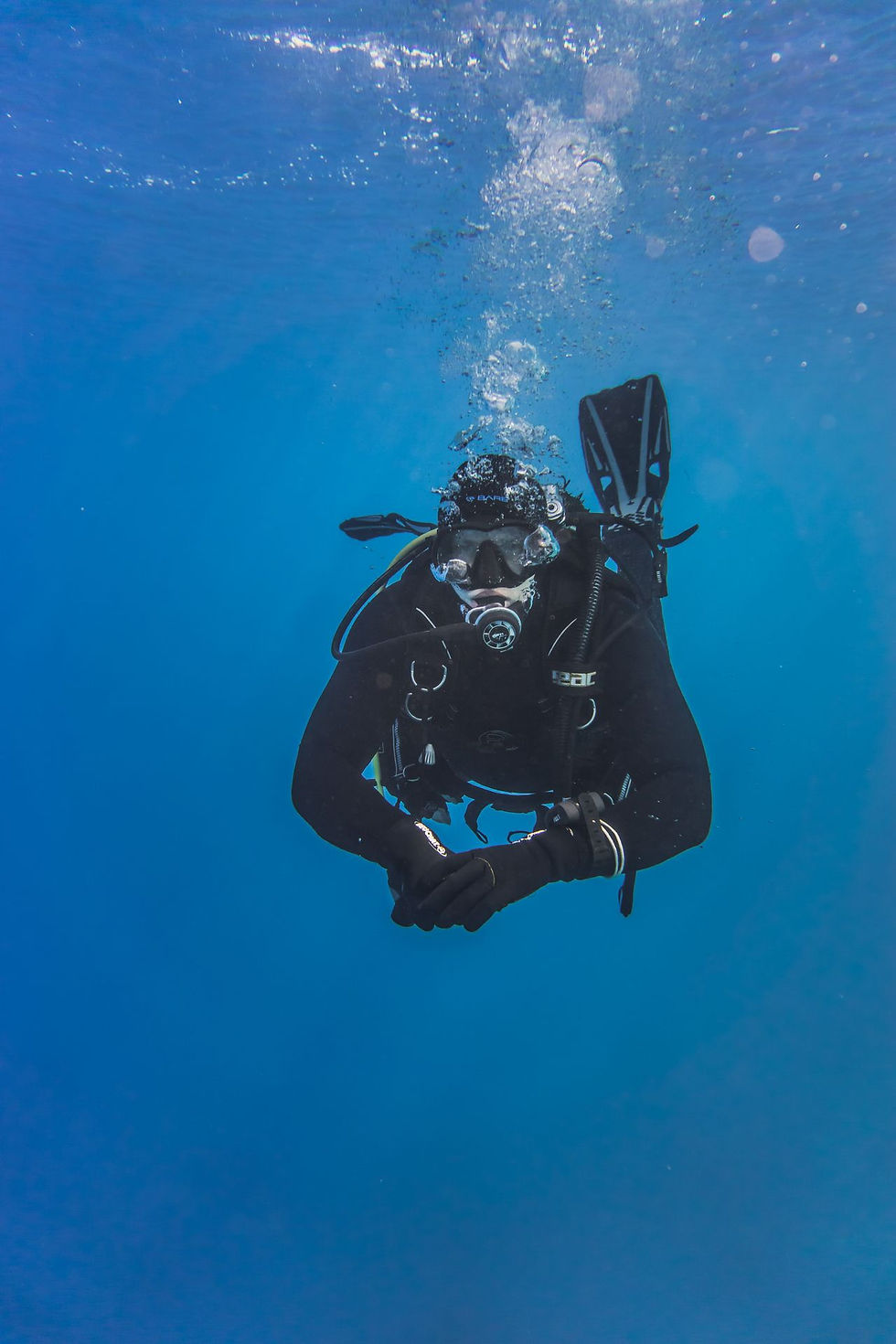
Private lessons fit well if you want personalized pacing or if your schedule makes group sessions hard. Some people learn best when they can pause, repeat a skill, and move forward only when they feel ready. Private training also helps if you feel anxious about water skills and you want a quieter environment to build confidence. You can focus on the areas you need most, whether that’s buoyancy, mask comfort, or simply slowing down and breathing. When time is limited, private lessons can also compress the process into a tighter schedule while still keeping standards strong.
Personalized pacing matters more than most people realize, especially for adults balancing work and family life. If you feel rushed, your body tightens up and skills feel harder than they need to be. If you feel supported, you breathe better, you listen better, and you progress faster. We help you choose between group and private scuba lessons pittsburgh options based on your comfort level, availability, and goals. You can book now with us, and we’ll help you pick the format that makes certification feel doable instead of stressful.
Where Local Divers Build Skills: Training and Practice Opportunities
One reason people choose local training is simple: you can keep practicing after the certification weekend ends. Divers build real confidence through repetition, and local environments give you the chance to keep your skills sharp. We support that process by helping divers continue training and by offering opportunities to practice in a way that feels safe and organized. You don’t have to wait for a vacation to get better at buoyancy or trim; you can build those skills steadily right here. That consistency makes your first travel dives more enjoyable because you already trust your fundamentals.
We also help new divers understand how to prepare for real-world conditions beyond a perfectly calm pool. You learn how to manage exposure protection, how to plan dives with your buddy, and how to stay comfortable when visibility or temperature feels different. You also learn that good diving starts before you enter the water, through gear checks, communication, and a clear dive plan. Those habits reduce stress and help you make better decisions underwater. When you train with a shop that stays involved locally, you don’t feel like you’re on your own after certification.
If you’re searching scuba lessons pittsburgh, you may also want a shop that supports gear and community long-term. We help you understand what gear you truly need, what you can rent, and how to avoid buying the wrong thing too early. We also keep training connected to real diving, so you can keep learning through guided experiences, local practice, and trips. When you stay connected to a dive community, you dive more often and you improve faster. That’s why we focus on being more than a one-time class; we want to be your ongoing dive base.
After Certification: Refresher Courses and Continuing Education
Most divers want to know what happens after the certification card arrives, especially if they plan to travel or take a break before their next dive. Refresher courses help you rebuild comfort quickly if you haven’t been in the water for a while. You review core skills like mask clearing, buoyancy, and emergency procedures in a controlled setting. You also get a chance to ask questions that pop up after the first certification, because real experience always creates new questions. A refresher keeps you safe and confident, which makes your next trip feel enjoyable instead of uncertain.
Many new divers also choose Advanced Open Water because it builds experience under instructor guidance. You get to practice navigation, improve buoyancy, and explore different dive environments with a structured plan. This course helps you feel more capable, especially if you want to handle deeper dives or more varied conditions. You don’t need to become an expert overnight; you just need consistent steps that expand your comfort zone. We help you choose the right pace so advanced training feels like growth, not pressure.
If you want a deeper safety foundation, Rescue training teaches awareness, prevention, and how to help a buddy when something goes wrong. Nitrox training helps you understand enriched air and how it can support certain dive plans, especially for repetitive diving days. Specialty courses can also match your interests, whether you want to focus on buoyancy control, photography, wrecks, or other goals. The point of continuing education is simple: you keep learning, you keep diving, and you keep enjoying the sport safely. We offer these options so your scuba lessons pittsburgh experience becomes the start of a long-term hobby, not a one-time achievement.
If you want to get certified without guesswork, the best first step is choosing a shop that teaches clearly and supports you after the course. Certification works best when you learn locally, practice consistently, and build skills at a pace that fits your life. Group and private options both work well, and we’ll help you choose what makes you feel most comfortable and confident. After certification, you’ll have a clear path to keep improving through refreshers, Advanced Open Water, Rescue, Nitrox, and specialties. Visit us at Dive Buddy Scuba Adventures and book now so we can help you start your scuba journey the right way.
Comments